

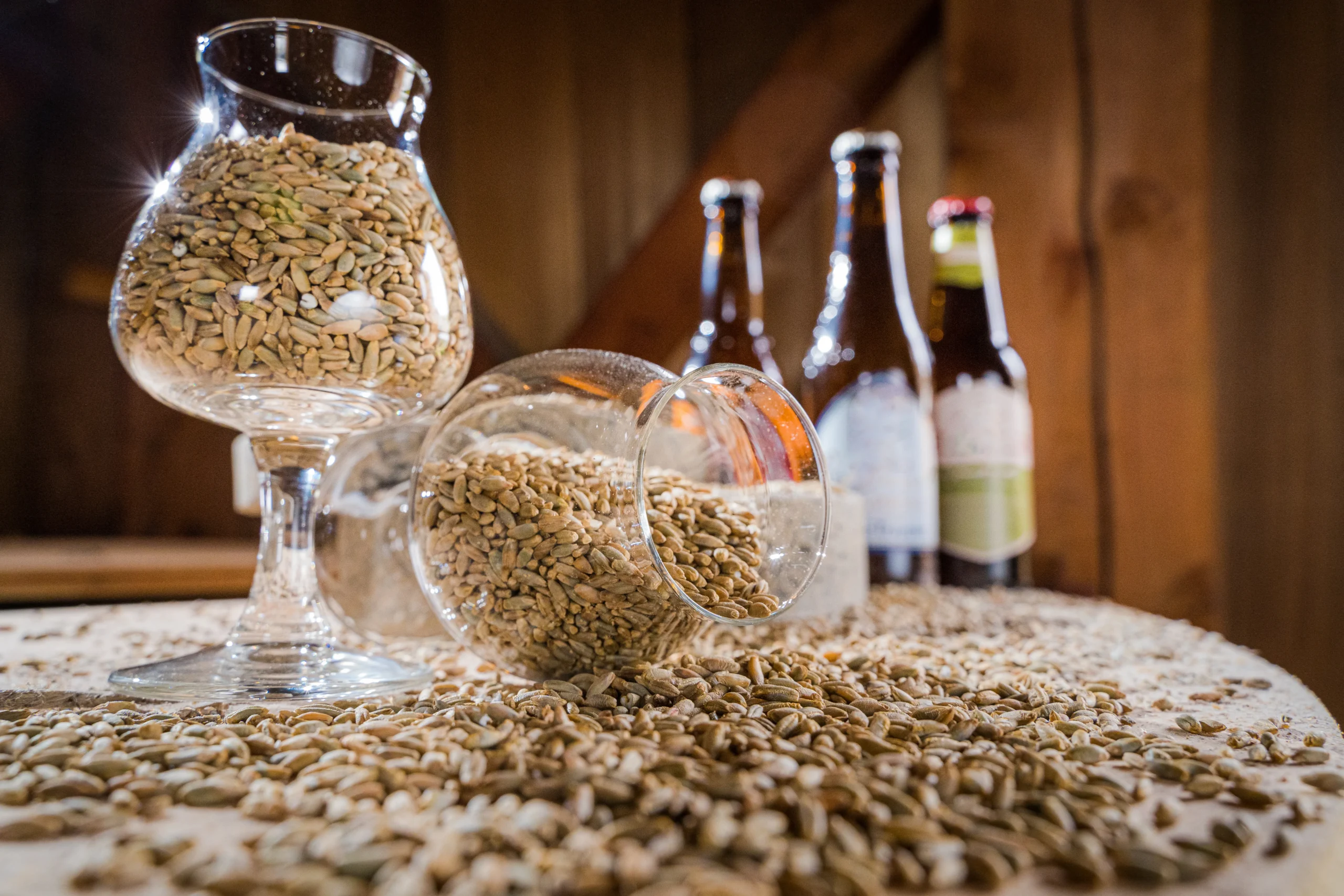
The beer brewing process is based on some of the simplest ones that have been used in centuries. Although the current brewers apply numerous flavors and techniques, the foundation of beer remained the same. The main four ingredients of the traditional brewing process are water, grains that are malted, hops and yeast. All these factors enhance a specific contribution towards the taste, smell and the character of the final product beer.
Water is the most used commodity in beer and in most occasions it forms more than 90 percent of the final product. Because of that fact, quality and mineral content of water may affect the flavor of the beer significantly. This is because different regions have different water profiles and this has been applied in the past to establish the type of beer that the breweries produced.
Malted grains are other ingredients which are required. Barley is the most common type of grain which is deployed in the brewing process however wheat, rye and oats may be employed in certain varieties of beer. During malting process, the grains are moistened and allowed to germinate and are then dried in kilns. Such a process is linked with the process of activating enzymes that break down starches into sugars during a brewing process. These sugars are significant in the sense that they are the ones that provide the energy which is then converted to alcohol by the yeast.
Hop plant is also used to add bitterness, flavour and aroma to beer using the hops which are flowers of hop plant. Insufficient hops would render beer too sweet since it contains sugars in the malt. Hops offset this sweetness and may contribute to the entire spectrum of flavors such as citrus, pine, floral or herbal in the flavor based on the type of hop used.
The final needed ingredient is yeast. Yeast is a microorganism that plays the role of fermentation that is the transformation of sugars into alcohol and carbon dioxide. The yeast strains can give different flavors and therefore, the brewer is very sensitive on which yeast would be used.
The inputs of beer brewing are the four ingredients that are blended. The brewers have been able to sell the brew by varying the amounts, types and operations of brewing to come up with the various types of beer varieties that are tasted around the world today.