

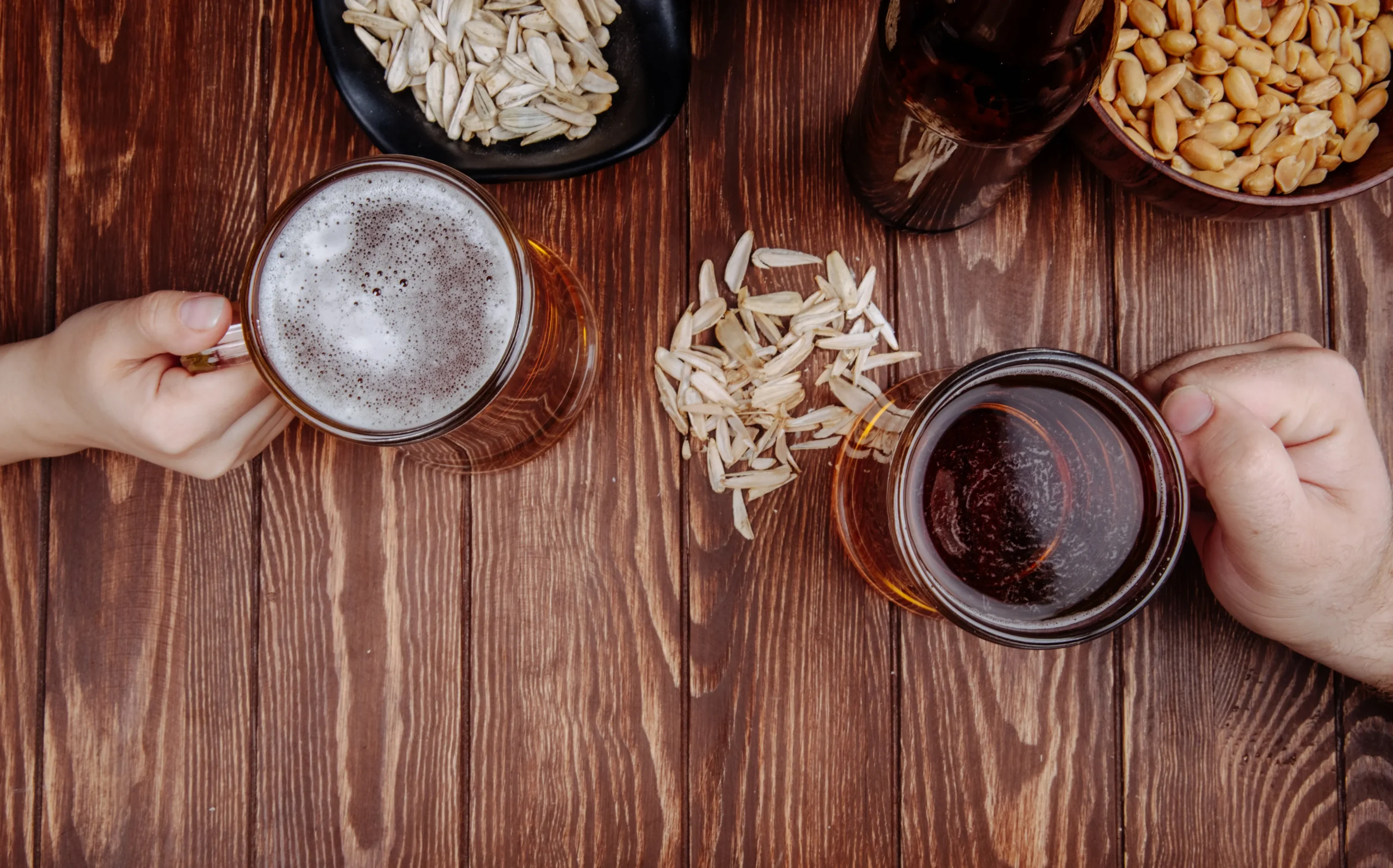
One of the most important differences, which should be taken into consideration when walking the line of the world of beer, is ales and lagers. These two categories have the families of beer which are largely defined by the type of yeast that is being used and how the fermentation process will be carried out. The similarity of the two is that both utilize the same similar ingredients which include water, malted grains, hops and yeast but the difference between the two is the way they are brewed which causes a difference in taste, smell and texture.
The greatest difference between ales and lagers is the type of yeast that was used in the fermentation process. Top-fermenting strains are used to ferment ales, and are adapted to higher temperature, usually 60 o C to 75 o C (15-24 C). The fermentation tank would have this yeast on its top. Ales tend to obtain ample flavors that may include fruits, spicy, or a touch sweet flavor because of the increased fermentation temperature.
Pale and India pale (IPAs), porters, stouts, and Belgian ales are the most popular ones. The fact that many of the craft breweries produce ales is because they ferment quicker and they have the ability to experiment more with the flavors.
On the other hand, bottom-fermenting yeast is used to make Lagers and it prefer lower temperature of about 45F-55F (7C-13C). This yeast is located in the bottom of fermentation vessel. The fermentation process is also undertaken at a lower temperature as it is easy and also leaves behind a clean sounding flavor.
Lagers have been referred to as crisp and refreshing as they do not provide a lot of fruit in the fermenting. The popular styles of the popular lager are: the pilsners, the helles lagers and the traditional light lagers which are prevalent in most of the international beer brands.
The other notable distinction is on the age factor. Lagers will require lengthy conditioning time (as many as a few weeks or months) before achieving their smooth character. It is a more protracted process of aging because the word lager in reality is a German word which means to store.
Ales, as well as lagers, possess their features, and numerous styles. The awareness of the variations will enable the consumers of the beer to explore new selections and have fun in the brewing of each glass.